
EU restores budget support to Ethiopia after five-year suspension, unlocking €110 million
Brussels has restored direct budget transfers to Addis Ababa for the first time since the Tigray conflict, as part of a package that signals both diplomatic rehabilitation and strategic economic competition in the Horn of Africa.
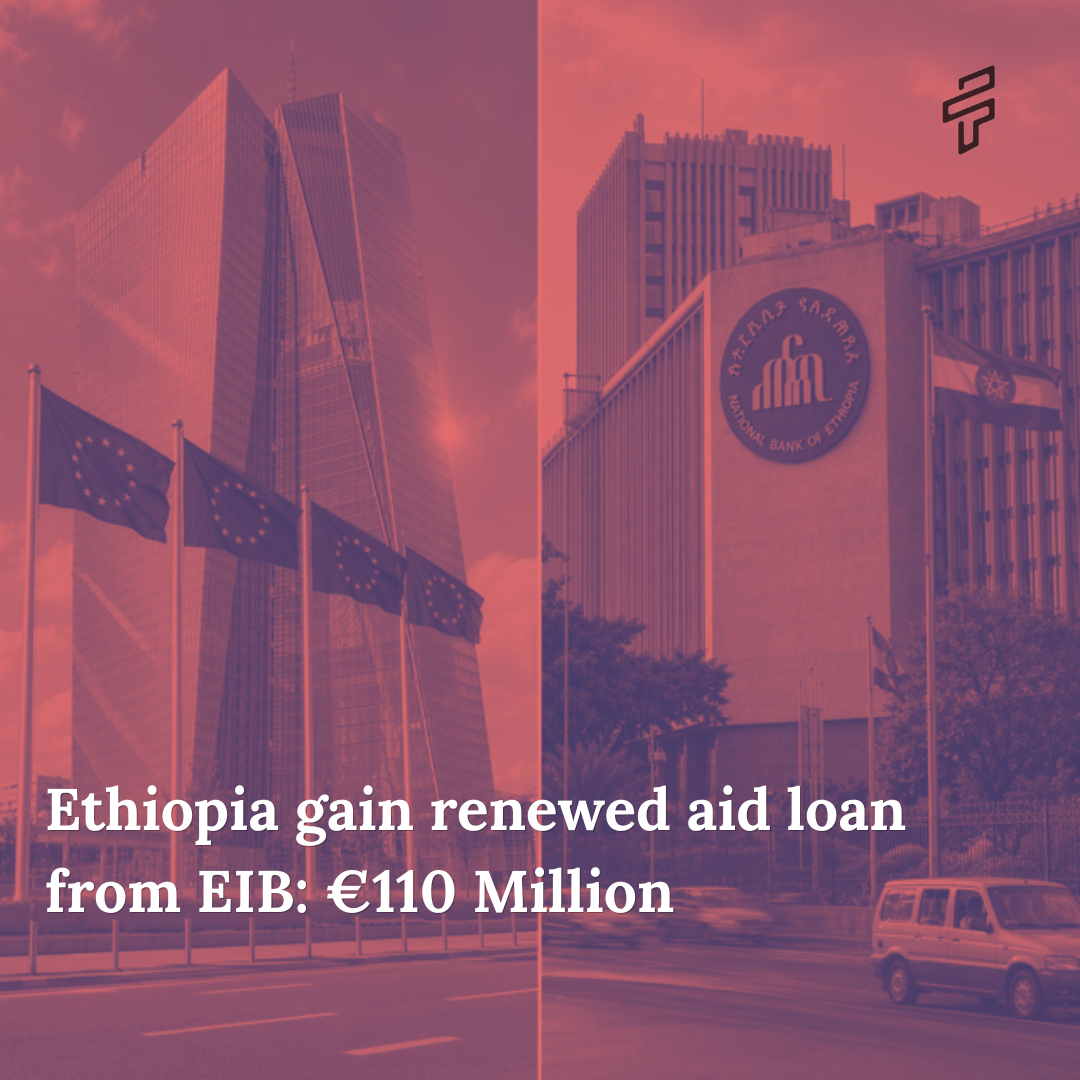
The European Union has resumed direct budget support to Ethiopia after a suspension of more than five years, unveiling a package worth more than €140 million and broader investment commitments of €559 million.
The announcement was made on 20 April at the EU-Ethiopia Business Forum in Addis Ababa, where more than 500 European companies and officials gathered under the theme “Unlocking the Global Gateway Potential.”
The EU suspended financing for Ethiopia in early 2021 amid the war in Tigray and the ensuing humanitarian crisis. Although the conflict ended with a peace deal in late 2022, tensions have risen again in recent weeks over disputes linked to its implementation.
EU Commissioner for International Partnerships Jozef Síkela said the resumption of budget support signals confidence in Prime Minister Abiy Ahmed’s administration. The funds will support energy, healthcare, connectivity and business climate reforms.
Alongside the budget support, the EU signed a €150 million digital economy package covering fibre-optic expansion, youth skills development and technology-sector governance reforms. The European Investment Bank also announced €130 million in lending for agribusiness and rural finance, with a focus on smallholder farmers and women-led enterprises.
The package makes the EU one of Ethiopia’s most important external economic partners at a time when Addis Ababa is trying to rebuild investor confidence. Brussels also appears to be competing more directly with China, which has been Ethiopia’s dominant infrastructure financier for more than a decade.
Ethiopia’s economic outlook has improved. The IMF projects 9.2% growth in 2026, helped by currency liberalisation reforms launched in mid-2024 that unlocked an IMF programme and supported bilateral debt restructuring. The country has also reached an agreement with bilateral creditors, although talks with bondholders on a $1 billion international bond remain unresolved.
But the political risks have not disappeared. The TPLF has accused the federal government of worsening tensions and withholding funds for local civil servants, while sporadic clashes have continued since the 2022 ceasefire agreement.
By restoring budget support despite those frictions, the EU has signalled that it is prioritising Ethiopia’s reform track for now. The move also comes as foreign aid to Sub-Saharan Africa comes under pressure, underscoring the growing divide between reforming economies that can attract support and those that cannot.