
Dangote pledges East African mega-refinery in Tanzania with backing from Ruto and Museveni
Aliko Dangote used a presidential summit in Nairobi to pledge a refinery in Tanzania matching the scale of his Lagos facility — the boldest signal yet that Africa’s most consequential industrial investor is turning his attention to the east.
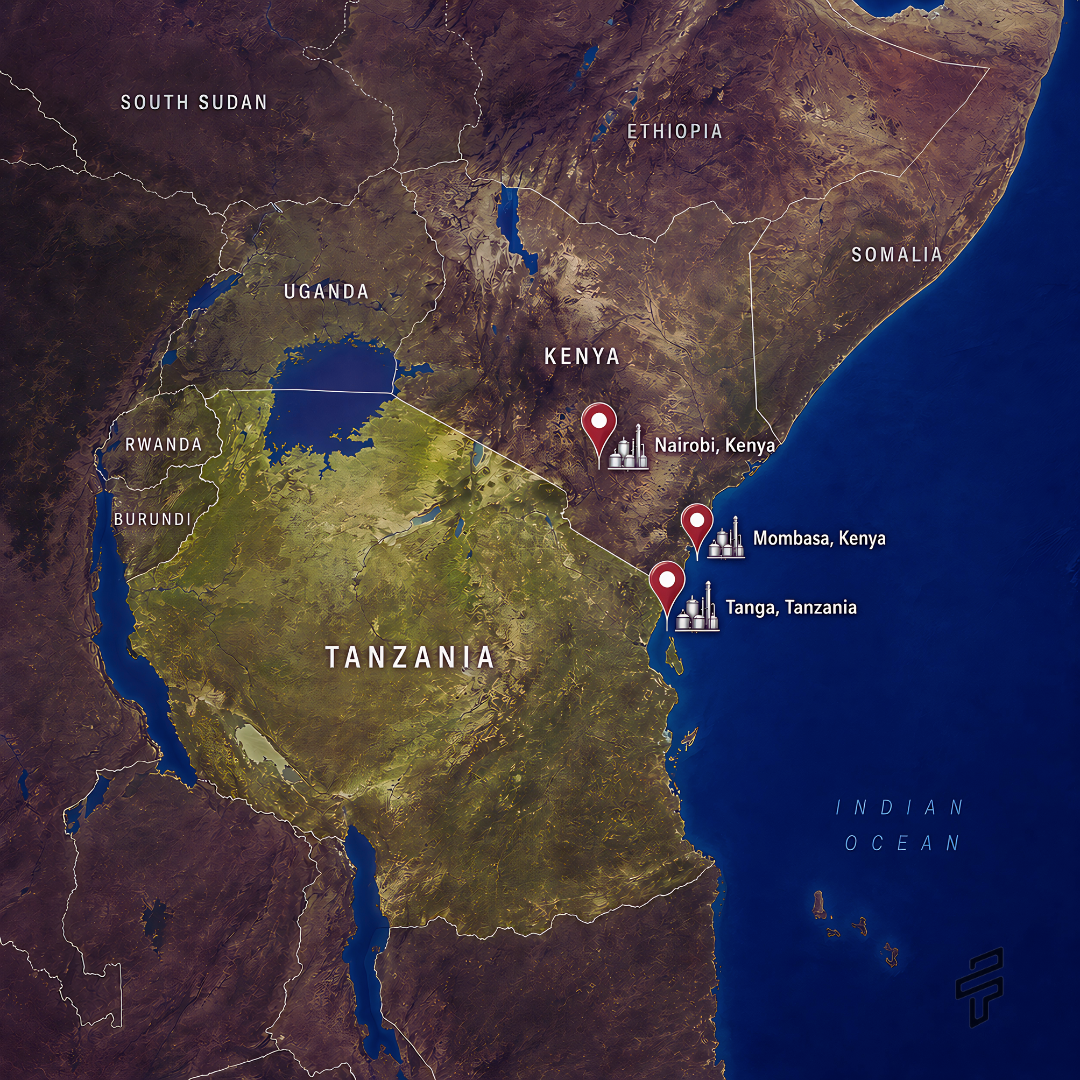
Aliko Dangote has said he would build a refinery in Tanzania identical in scale to his 650,000-barrel-per-day plant in Lagos if the governments of Kenya and Uganda back the project.
Speaking at the Africa Finance Corporation’s “Africa We Build” summit in Nairobi on Thursday, Dangote addressed Presidents William Ruto and Yoweri Museveni directly, saying the refinery could be built in Tanga if the two leaders give their political support. The proposal is the clearest signal yet that talks over a regional refinery are advancing.
The refinery would process crude from Tanzania and other regional producers, including Uganda, South Sudan and possibly the Democratic Republic of Congo. Dangote said the project could be linked by pipeline to Mombasa and connected to the Kenya Pipeline Corporation’s network for wider distribution.
The idea fits into a broader push to keep more value from African oil inside the continent. Ruto said Africa loses about $230 billion a year by exporting crude instead of refining it locally. That gap also limits downstream industries such as petrochemicals and fertiliser production.
The timing is favourable for the pitch. Dangote’s Lagos refinery has already begun exporting refined products to markets including South Africa, East Africa and Europe, while disruptions to global shipping have highlighted the cost of relying on imported fuel.
Dangote said the Tanzania project could take four to five years to complete. He also said his Nigerian refinery is being expanded to 1.4 million barrels per day.
However, the project remains at an early stage. No financing plan, equity structure or formal government agreement was announced, and Tanzania has not yet publicly confirmed the proposal. Whether the idea moves beyond political backing will now determine its future.