
South Africa’s Xenophobia Crisis Deepens as Mozambique Reports Five Citizens Killed
Mozambique’s report that five nationals died in anti-immigrant violence has turned South Africa’s migration tensions into a sharper regional diplomatic and governance test.
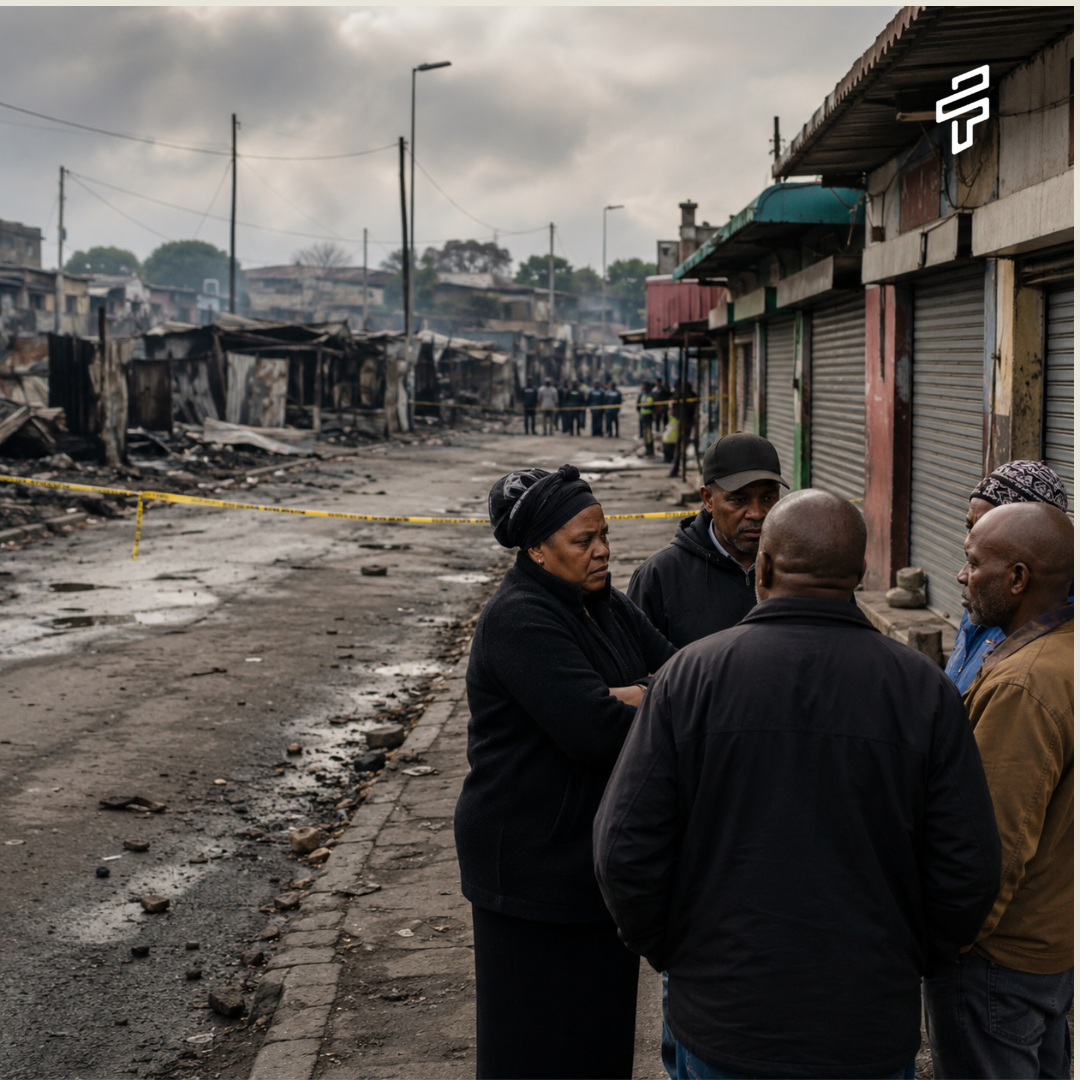
South Africa’s migration crisis has entered a more dangerous phase after Mozambique said five of its citizens died in anti-immigrant violence in Mossel Bay, in the Western Cape. South African police said the bodies of two Mozambican men were found with assault injuries, while Mozambique said five nationals died as a direct result of xenophobic attacks. About 55 shacks were set on fire in an informal settlement, and police said no arrests had yet been made for the murders.
The violence has widened diplomatic pressure on Pretoria. Malawi has said it will repatriate citizens seeking to leave South Africa, joining other governments that have moved to assist nationals affected by the attacks. Malawi’s foreign ministry said the programme would be limited to citizens who requested assistance, while Ghana has already repatriated hundreds of citizens and Mozambique has reported deaths.
The issue is familiar but increasingly acute. Immigrants in South Africa are often blamed for unemployment, crime and pressure on public services. Anti-immigrant groups have now set a June 30 deadline for undocumented foreigners to leave, spreading fear among migrant communities.
President Cyril Ramaphosa told parliament that South Africa must tackle illegal immigration but should not resort to “violence, xenophobia and vigilantism.” That distinction is now the core test for the state: whether it can enforce migration law while preventing vigilante politics from becoming a substitute for governance.
The regional stakes are high. South Africa hosts migrants from neighbouring states, refugees and asylum seekers from conflict-affected countries such as the Democratic Republic of Congo, and workers who contribute to formal and informal sectors. If African governments increasingly feel compelled to repatriate citizens from South Africa, Pretoria’s domestic failure becomes a continental relations problem.
The immediate priority is law enforcement and protection for vulnerable communities. The larger issue is political: South Africa must address unemployment, service delivery and border management without allowing economic frustration to become violence against African migrants. That is the line between a difficult migration debate and a governance crisis.