
Sudan Turns to Import Bans as War Economy Pushes Currency Pressure Higher
Sudan has moved to ban several categories of imports as the pound weakens, but business groups warn the measure could deepen shortages and create monopolies.
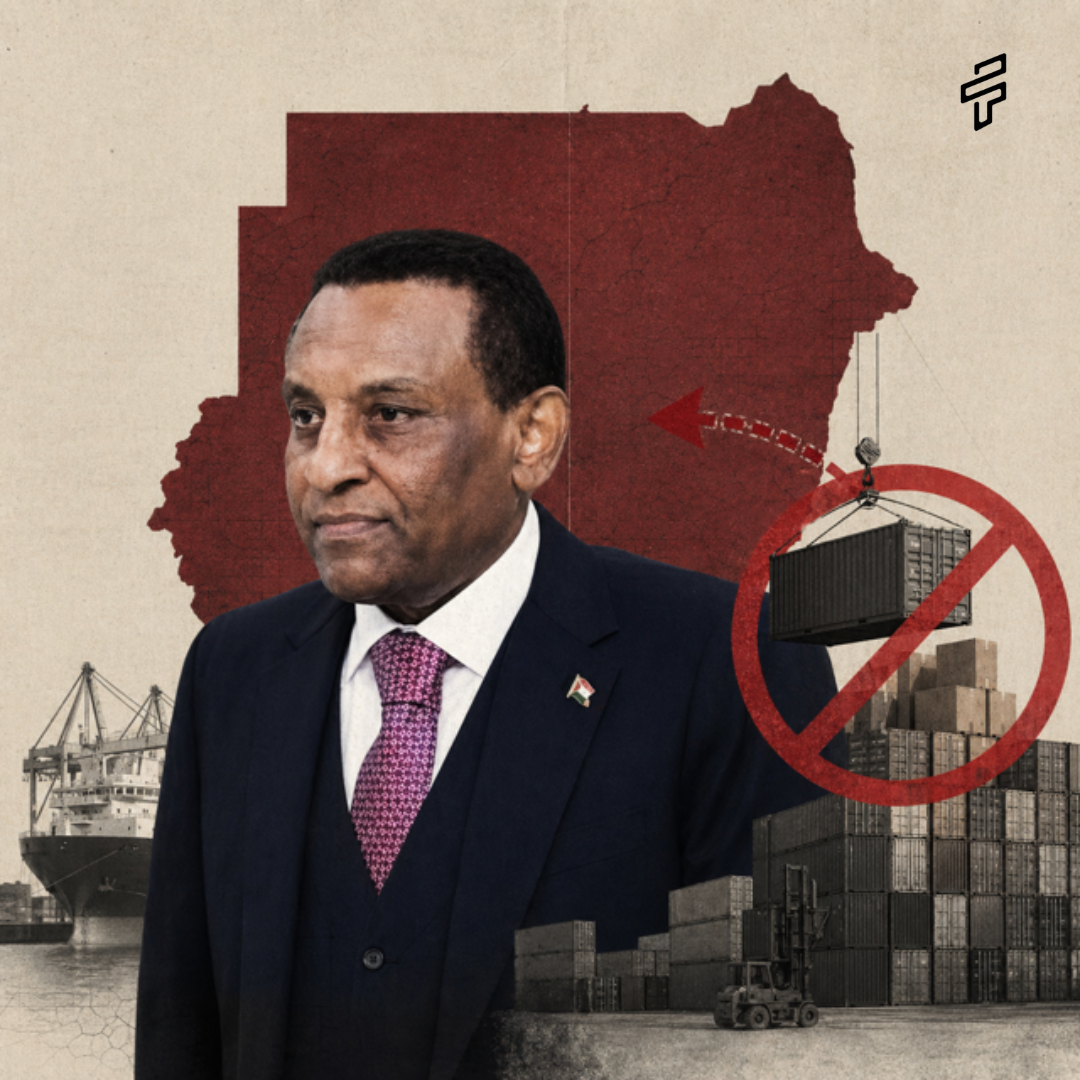
Sudan has banned a wide range of imports in an effort to stem pressure on the Sudanese pound, as the country’s war-damaged economy faces rising demand, weak production and constrained foreign exchange. Reuters reported that the restrictions include food items, consumer goods, industrial materials and products classified by the authorities as luxury or non-essential.
The measure comes as Sudan’s currency has weakened sharply, with Reuters reporting that the pound has depreciated by about 10% to 4,100 per U.S. dollar since the start of the U.S. and Israel’s war with Iran in February 2026.
For the government of Prime Minister Kamil Idris, the logic is clear: reduce demand for foreign currency and preserve limited reserves for priority imports. But the policy has already drawn criticism from the business community, with importers warning that restrictions could distort markets, encourage monopolies and deepen scarcity.
Sudan’s underlying problem is not only import demand. It is the collapse of normal economic life after three years of conflict between the army and the Rapid Support Forces. Industrial production has been disrupted, agriculture has been damaged, gold smuggling has expanded and millions have been displaced.
The import ban therefore reflects a state trying to manage a war economy with limited tools. It may slow some pressure on the currency, but it cannot substitute for restored production, secure trade routes and a political settlement. In the absence of those conditions, Sudan’s economic measures risk becoming defensive reactions to a crisis that remains fundamentally military and political.